As temperatures start to dip in Fort Collins and across Northern Colorado, it’s the ideal time to give your outdoor hardscape features the protection they need. At Grey Rock Landscape and Construction, we recommend a fall maintenance process that includes cleaning your hardscape, repairing cracks, sealing porous surfaces, ensuring proper drainage, and choosing the right de-icing materials. By taking these steps before the freeze-thaw cycle begins, you preserve patios, walkways, retaining walls, and other hardscape elements and help avoid costly damage in the spring.
Clean Thoroughly & Inspect for Damage
Before sealing or protecting anything, start with a deep clean. This helps remove debris that can hide damage and prevents contaminants from being sealed into the surface. A clean slate ensures every repair and sealant is as effective and long-lasting as possible.
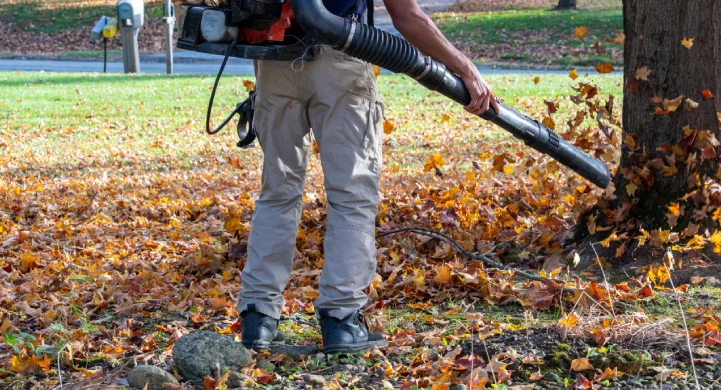
- Sweep away dirt, leaves, debris, and stains from patios, paver walkways, stone surfaces, and retaining walls.
- Use a pressure washer on concrete or stone as appropriate (but check manufacturer’s guidelines if using pavers).
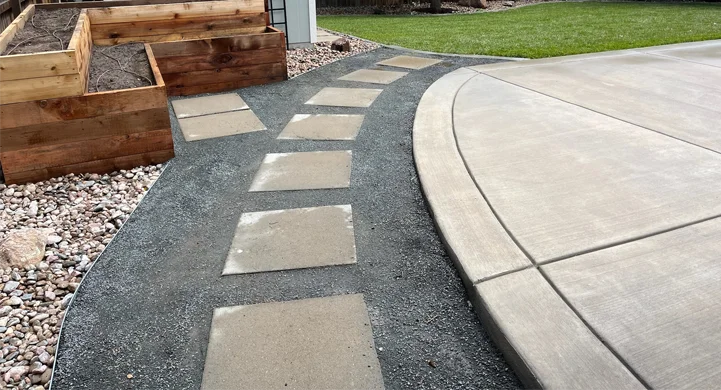
- Once surfaces are clear, inspect for any cracks or failing mortar joints in concrete, stone, or brick. Small cracks can let water in, which expands when it freezes and makes damage worse.
- Repair as needed: fill and seal cracks, repoint mortar joints, replace broken pavers or stones so the surface is solid before sealing.
A strong foundational repair job means less risk of surface damage when the freeze-thaw cycle hits.
Seal Porous Surfaces Before Freeze
With surfaces cleaned and repaired, the next step is sealing. This crucial step locks out moisture and enhances the longevity of your materials. Sealing also protects against stains, wear, and the damaging effects of UV rays.
- Choose a high-quality sealant made for outdoor hardscape materials (pavers, concrete, stone, retaining walls).
- Apply the sealant in the fall when the weather is dry and mild to give it time to cure before the first freeze.
- Ensure you cover all horizontal surfaces and any vertical stone or brick surfaces that may draw water.
- The purpose: to create a barrier that prevents moisture from saturating the material and then expanding when it freezes.
Sealing now helps preserve the texture, color, and structural integrity of your hardscape for years to come.
Ensure Proper Drainage to Avoid Pooling
Water is the enemy of hardscape during freeze-thaw. To keep water flowing away from your surfaces, you must stay proactive about potential drainage issues before winter sets in. Even small amounts of standing water can seep into joints and cause significant damage when frozen. Regular inspections after rainfall can help identify problem areas early and save money on future repairs.
- Clear gutters, downspouts, and channel drains so that water is diverted away from patios, walkways, or walls.
- Check that weep holes in retaining walls are not blocked and that water has a clear exit path.
- Make sure your hardscape design slopes gently away from structures and doesn’t allow pooling or standing water on flat surfaces.
- If you notice water collecting or streams forming during rain, take action right away, as it will freeze and expand. Smart drainage ensures your sealing efforts are supported by proper water movement.
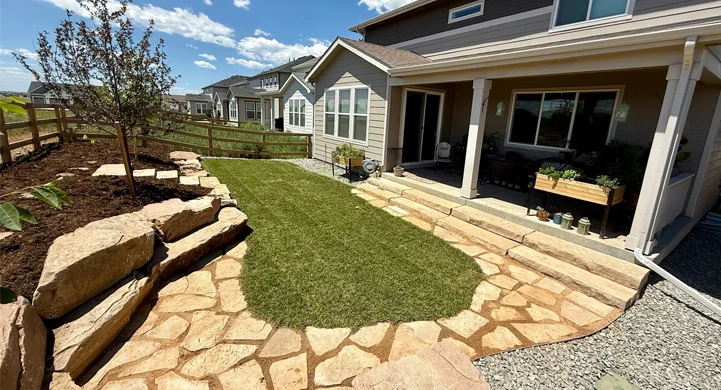
Protect Surfaces and Furniture & Choose Safe De-icing
When winter arrives, hardscapes still need protection. Cold temperatures, snow, and ice can accelerate wear and compromise their integrity. Taking proactive steps now ensures surfaces stay strong and visually appealing throughout the harshest months.
- Avoid rock salt (sodium chloride): It may melt ice, but it can erode hardscape materials, damage mortar, corrode metal elements, and stain stone or brick.
- Use safer alternatives: sand, calcium magnesium acetate, or ice melt products specifically rated as safe for pavers, stone, and concrete.
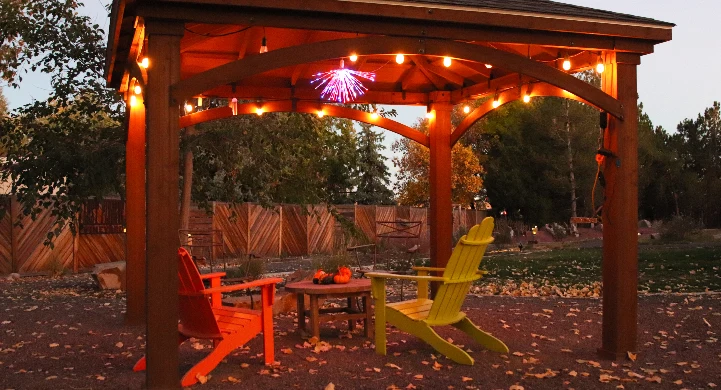
- Move or cover outdoor furniture (tables, chairs, benches) and remove cushions or fabrics. Moisture that collects under them can freeze and damage the surfaces below or discolor materials.
- Place protective pads or glides under furniture to prevent abrasion when moving snow or ice.
Taking care now means less visible wear, fewer repair needs, and a better-looking space come spring.
Why This Matters for Northern Colorado
The freeze-thaw cycle in Northern Colorado subjects outdoor hardscapes to repeated cycles of expansion and contraction. Moisture that gets trapped in cracks or porous surfaces and then freezes can cause spalling, shifting pavers, cracked mortar, or lifted edges. Because your outdoor hardscape is an investment and extension of your living space, taking preventive measures now helps you avoid major restoration work later.
At Grey Rock Landscape and Construction, we build and install hardscapes that last. The same level of care should go into their maintenance. Fall maintenance can extend the life of your concrete patio or walkway and reduce costly repairs in spring.
Ready to protect your hardscape for winter?
Let us help you get a professional fall maintenance check-up and sealing service in Fort Collins and the surrounding Northern Colorado area. Call 970-316-4787 today to schedule an assessment. Protect your patios, walkways, walls, and outdoor living spaces now so you can enjoy them for years to come. Our team ensures your outdoor investments are safeguarded with expert care tailored to Colorado’s unique climate.