To protect your Colorado landscape in fall, remove leaves and debris, give your lawn a final mow and aeration, then apply a fall fertilizer with low nitrogen and high potassium to strengthen roots for winter. Prune trees and shrubs before snow arrives, spread 2-3 inches of mulch around beds for insulation, and winterize your irrigation system by draining lines and shutting off water to prevent freezing. Complete debris removal and pruning by late September to early October, and finish mulching and irrigation prep by mid to late October before the first hard freeze.
What a Proper Fall Cleanup Should Include
The fall cleanup in Colorado is about more than just looks. It is a total package list of seasonal care that readies your yard for the freezing months to come. When done correctly, it prevents common winter damage, protects plant health, and sets you up for a better spring. These are six essential fall tasks that every homeowner should do before winter arrives:
- Clear debris, leaves, and dead plant material
- Give your lawn a final mow, aerate, and fertilize
- Prune trees and shrubs
- Apply mulch and protect root zones
- Winterize your irrigation system
- Time it all correctly based on local frost patterns
We break it all down below to help you face your fall cleanup with confidence and good timing.
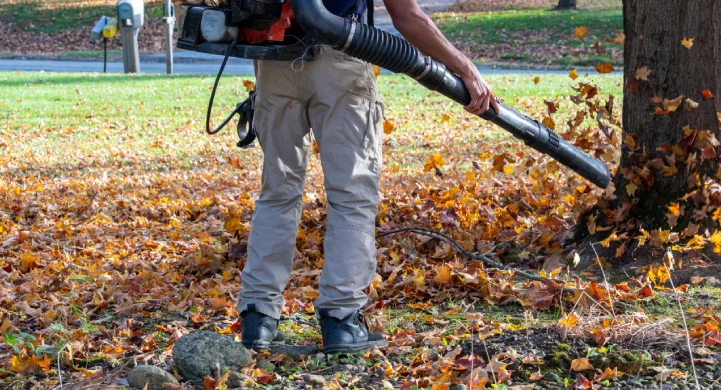
1. Remove Debris, Leaves and Dead Plant Material
Take on all loose ends before freezing arrives:
- Rake (or blow) leaves off lawns but don’t leave thick mats behind on the turf.
- Prune out fallen branches, twigs and dead annuals.
- Dispose of diseased plant matter. Does not compost if diseased
- Use a mulching mower or shred them to speed up decomposition
This gives your lawn some breathing room and helps prevent the type of conditions that attract pests and mold.
2. Final Mow, Aerate and Fertilize the Lawn
How you care for your lawn in the fall makes a big difference in how well it will bounce back next spring:
- Mow one final time, cut close compared to summer height but do not scalp
- Core-aerate the lawn to relieve compaction
- Overseed bare spots when moisture conditions permit
- Apply a fall fertilizer, such as 3-4-8 with low nitrogen and high potassium to promote stronger roots
- Resist aggressive dethatching, as a thin layer of thatch is good insulation for soil.
This will put your lawn in a position to bear up under winter stress and bounce back healthy.
3. Prune Trees and Shrubs
Right pruning enables plants to weather winter and retain their shape:
- Remove dead, damaged, or crossing branches
- Focus on shaping and structural integrity without over-pruning
- Prune in time for cuts to heal before snow arrives
- Hold off on cutting back ornamental grasses (except for any that you didn’t remove last fall) and other perennials until the spring to maintain winter interest and wildlife habitat.
These measures prevent winter damage and maintain a tidy landscape.
4. Mulch and Root Protection for Beds and Plants
Mulch offers essential insulation for your landscape:
- Spread 2 to 3 inches of organic mulch like bark or shredded leaves around beds and plant bases
- Keep mulch a few inches away from stems and trunks to prevent rot
- Use shredded leaves as a natural insulating layer where possible
- Protect young or sensitive shrubs with trunk wraps or temporary windbreaks
Mulching stabilizes soil temperatures and guards root systems during freeze-thaw cycles.
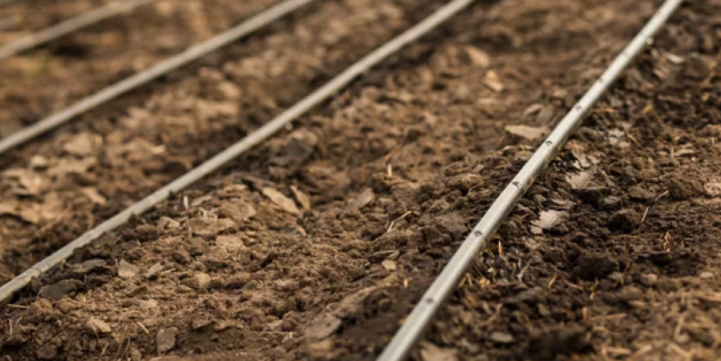
5. Winterize Your Irrigation System
In Colorado, winterizing your irrigation system is crucial to prevent freezing:
- Shut off water supply and backflow devices
- Blow out the system using compressed air rated for your pipe type
- Drain pumps, filters, hoses, and any exposed fittings
- Insulate above-ground pipes and valves
- Leave backflow valves half open and close test cocks for the winter
These precautions prevent cracked pipes and costly spring repairs.
6. When to Do Each Task
The timing of your fall cleanup depends on your location and elevation in Colorado. Here are some recommendations as a general guideline for Northern Colorado and similar regions:
- Debris removal, pruning, and your final mow: Late September to early October
- Aerating, fertilizing, and overseeding: Early to mid-October
- Mulching and applying wraps: Mid to late October, just before the ground freezes
- Irrigation winterization: Before the first hard freeze, typically mid to late October
If you live at higher elevations, adjust your schedule to start a bit earlier. Always watch local weather patterns for frost alerts.
Why Do These Steps Matter?
- Prevents disease, pests, and mold from taking hold
- Helps plants maintain strength and structure
- Strengthens lawn roots for winter dormancy
- Avoids costly irrigation damage
- Ensures your landscape comes back stronger in spring
How Grey Rock Landscape and Construction Helps This Fall

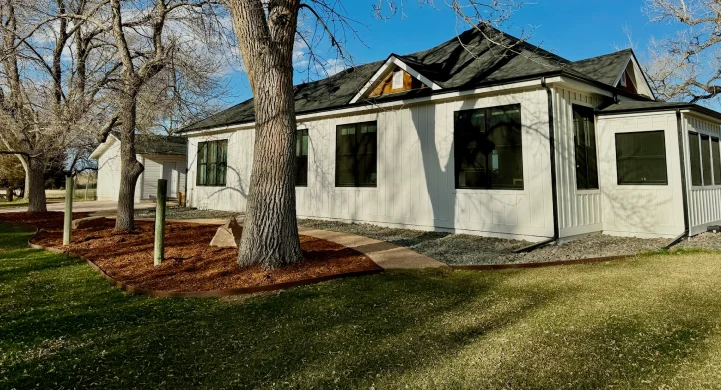
At Grey Rock Landscape and Construction, we build our fall cleanup services around the realities of Colorado’s climate. From surprise early frosts to heavy snowfall, we know what it takes to prepare your yard properly. Our fall services include:
- Mowing, pruning, aeration, and leaf removal
- Safe and thorough irrigation system blowouts
- Mulch installation and root protection
- Full-property debris and plant cleanup
We proudly serve homeowners throughout Northern Colorado and surrounding areas. Check our gallery page to get a closer look on what we do.
Ready to Winter-Proof Your Landscape?
Fall moves fast, and so does your opportunity to prep your property. Protect your investment now to enjoy a smoother spring. Contact us to schedule your fall cleanup. We’ll make sure your Colorado landscape is winter-ready and set for a healthy return.