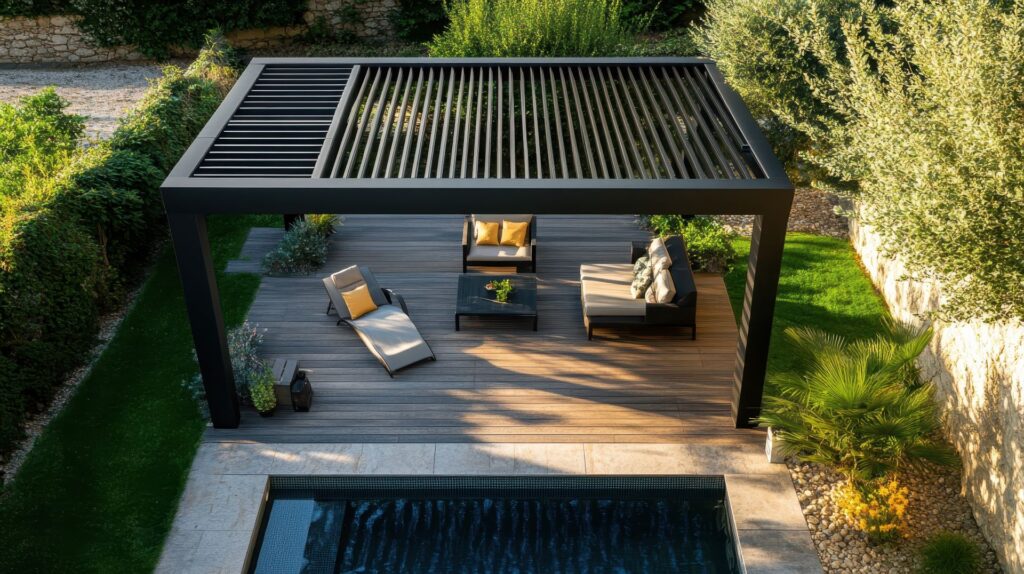
How Landscape Design Creates Perfect Privacy Solutions
When it comes to achieving privacy in your outdoor space, landscape design offers countless advantages over traditional fencing. Living screens provide natural beauty that changes with the seasons, creating dynamic visual interest while blocking unwanted views. Strategic plant placement can filter noise, reduce wind, and create microclimates that make your outdoor areas more comfortable throughout the year.
The key to successful privacy landscaping lies in understanding sight lines and creating layers of screening at different heights. By combining trees, shrubs, and architectural elements, you can block specific views while maintaining desirable vistas and allowing natural light to pass through. This thoughtful approach ensures that your privacy solution enhances, rather than diminishes, your property’s overall appeal and functionality.
Designing Privacy Without the Fortress Feel
Creating effective privacy screening requires a delicate balance between seclusion and openness. The goal is to feel protected and comfortable in your outdoor space without creating a closed-off, claustrophobic environment. Smart design considers factors like natural light flow, air circulation, and visual connections to desirable landscape features. The secret lies in varying heights, textures, and densities to create interesting layers that provide privacy while maintaining a sense of spaciousness. Here are key design recommendations for achieving this balance:
- Stagger your screening elements: Mix tall trees with medium shrubs and low plantings for a natural, layered look.
- Leave strategic gaps: Small openings in your screening create glimpses of distant views while maintaining overall privacy.
- Vary planting distances: Place some elements closer to seating areas and others near property lines for depth.
- Include seasonal interest: Choose plants that offer different textures, colors, and forms throughout the year.
- Consider mature sizes: Plan for how your screening will look in 5-10 years to avoid overcrowding.
The right combination of these elements creates privacy that feels natural and intentional rather than defensive or imposing. This approach ensures your outdoor space remains inviting and connected to the broader landscape.
Design Elements for Effective Privacy Screening
Successful privacy screening relies on selecting the right combination of elements that work together to create natural barriers. Each component serves a specific purpose while contributing to the overall aesthetic and functionality of your landscape design. Understanding how different screening options perform will help you make informed decisions that deliver both immediate impact and long-term satisfaction. Here are some ideas to consider:
Native Plants
Native plants offer unmatched benefits for privacy screening in Colorado’s unique climate and growing conditions. These hardy species require less water, fertilizer, and maintenance once established, making them both environmentally responsible and cost-effective choices. Native evergreens, like Colorado blue spruce and Rocky Mountain juniper, provide year-round screening, while deciduous natives, such as serviceberry and chokecherry, offer seasonal variety with spring blooms and fall colors. Their deep root systems help prevent erosion, and their natural adaptation to local conditions means they’ll thrive with minimal intervention, creating reliable privacy screens that improve with age.
Evergreen Trees
Evergreen trees serve as the backbone of any privacy screening strategy, providing consistent coverage throughout all seasons. Popular choices include arborvitae, which grows in neat, columnar forms perfect for creating living walls, and pine varieties that offer rapid growth and dense branching. These trees can be planted in rows for formal screening or grouped naturally for a more organic appearance. Their year-round foliage ensures your privacy remains intact even during winter months when deciduous plants are bare, making them essential for areas where consistent screening is crucial.
Mixed Shrub Borders
Layered shrub plantings create dynamic privacy screens that offer visual interest while effectively blocking unwanted views. Combining evergreen shrubs, such as juniper and yew, with flowering varieties like lilac and spirea provides both structure and seasonal beauty. These mixed borders work particularly well at property lines where you want to create definitions without harsh barriers. The varying heights and textures create natural-looking screens that can be tailored to specific privacy needs while supporting local wildlife and adding year-round appeal to your landscape.
Architectural Elements
Strategic use of fences, pergolas, and decorative screens can instantly create privacy while adding structural interest to your landscape design. These elements work exceptionally well when combined with plantings, as vines and climbing plants can soften hard edges while increasing screening density. Architectural features also enable creative design solutions in challenging spaces where plants alone may not provide sufficient coverage. From modern slat fencing to traditional lattice panels, these elements can be customized to match your home’s style while delivering immediate privacy benefits.
Now that you understand the various screening options available let’s explore how professional landscape design can bring these elements together in your specific outdoor space. The right combination depends on your property’s unique characteristics and your family’s lifestyle needs.
Your Northern Colorado Landscape Design Partner
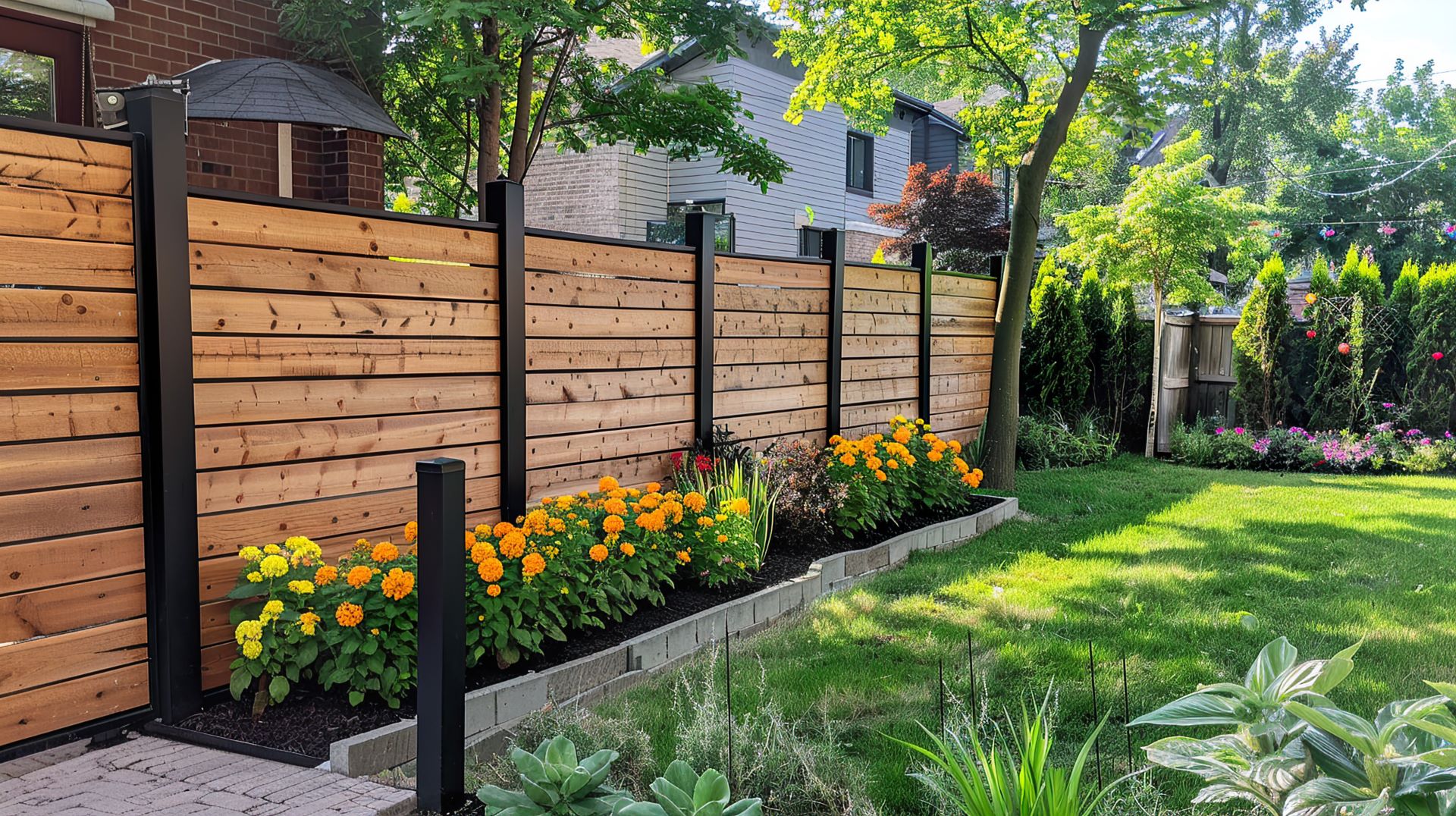
As a dedicated landscape designer serving Northern Colorado communities, I understand the unique challenges our climate and terrain present for privacy screening projects. Our region’s variable weather patterns, ranging from intense summer sun to harsh winter winds, necessitate plant selections and design strategies that can withstand these extremes while maintaining their screening effectiveness. At Grey Rock Landscape and Construction, we’ve spent years perfecting privacy solutions that thrive in our local conditions, combining native plant expertise with innovative design approaches.
Every privacy project begins with a thorough site analysis to understand your property’s specific opportunities and constraints. We consider factors like existing mature trees, soil conditions, sun exposure patterns, and your family’s outdoor living preferences to create screening solutions that feel custom-designed for your space. Our comprehensive approach includes hardscaping elements, irrigation planning, and long-term maintenance strategies to ensure your privacy screens remain beautiful and practical for years to come.
Ready to Create Your Private Outdoor Retreat?
Don’t let privacy concerns keep you from fully enjoying your outdoor space – the solution is closer than you think. Professional landscape design can transform even the most exposed properties into private retreats that feel naturally integrated with their surroundings. Whether you’re dealing with curious neighbors or busy streets or simply want to create more intimate outdoor spaces, strategic screening design offers endless possibilities for enhancing both privacy and beauty. Contact Grey Rock Landscape and Construction today to discuss how we can help you design the private outdoor sanctuary you’ve been dreaming of.