How Different Landscape Designs Impact Human Psychology
Your brain responds to landscape design in predictable ways. This response happens automatically, often before you consciously notice the details.
Open vs. Enclosed Spaces
Wide, open spaces create feelings of freedom and possibility. Think of a large lawn area where kids can run freely. These spaces reduce feelings of being trapped or confined. However, too much openness can feel overwhelming or unsafe.
Enclosed spaces, like a cozy patio surrounded by plantings, create security and intimacy. Your brain interprets these areas as protective shelters. Most successful landscapes balance both elements.
Natural vs. Formal Layouts
Curved, flowing lines mirror patterns found in nature. Your brain processes these shapes as calming and stress-reducing. Meandering pathways, organic flower bed shapes, and naturalistic water features all trigger positive psychological responses.
Formal, geometric designs create different emotions. Straight lines and symmetrical patterns suggest order and control. These layouts work well for people who find comfort in structure and organization.
Vertical Elements and Scale
Height variations in your landscape affect how you feel in the space. Tall trees create cathedral-like feelings of awe and protection. Medium-height shrubs provide privacy without feeling claustrophobic. Low groundcovers offer visual rest and simplicity.
Scale matters tremendously. Oversized elements in small spaces create anxiety, while tiny features in large areas feel lost and insignificant. Proper proportions help your brain feel at ease.
Colors in Landscaping That Promote Relaxation
Color psychology in landscapes works just like it does indoors. Different hues trigger specific emotional responses in your brain.
Cool Colors for Calm
Blue flowers and blue-green foliage create instant relaxation. These colors lower your heart rate and blood pressure. Popular blue plants for Colorado include:
- Blue spruce (year-round color)
- Lavender (summer blooms)
- Blue oat grass (silvery-blue foliage)
- Catmint (purple-blue flowers)
Green, nature’s dominant color, provides the strongest calming effect. Multiple shades of green create depth without overstimulation, and your brain interprets green as safe and restorative.
Purple for Peace
Purple combines blue’s calming properties with red’s energy, creating balanced tranquility. Purple flowers like Russian sage, salvia, and clematis add peaceful energy to any space.
White for Clarity
White flowers and foliage create mental clarity and spaciousness. White reflects light, making spaces feel larger and airier. Evening-blooming white flowers also extend your outdoor enjoyment into dusk.
Limiting Stimulating Colors
While warm colors like red, orange, and bright yellow add energy, too much creates overstimulation. Use these colors sparingly as accents rather than dominant themes. A few red roses or orange marigolds add life without overwhelming your senses.
How Landscape Design Can Reduce Stress
Stress reduction through landscape design happens through multiple mechanisms. Understanding these helps you create more effective outdoor spaces.
Natural Sound Barriers
Traffic noise, neighbor conversations, and urban sounds increase stress hormones. Strategic planting creates natural sound barriers. Dense evergreen screens, layered plantings, and rustling ornamental grasses mask unwanted noise while adding pleasant natural sounds.
Water features provide additional sound masking. The gentle babble of a fountain or stream activates your parasympathetic nervous system, which controls your body’s relaxation response.
Air Quality Improvement
Plants actively clean the air you breathe. Better air quality directly improves mood and reduces stress. Trees and large shrubs filter dust, pollen, and pollutants, creating a healthier environment that your body recognizes as safer.
Sunlight and Vitamin D
Outdoor spaces that encourage sun exposure boost vitamin D production. This essential nutrient regulates mood and energy levels. Well-designed seating areas and activity zones that receive morning or late afternoon sun provide health benefits without harsh midday heat.
Connection to Natural Cycles
Landscapes that change with seasons help you stay connected to natural rhythms. This connection reduces the stress of artificial indoor environments. Deciduous trees, seasonal flowers, and plants with interesting winter structure all support this psychological need.
Spatial Arrangement and Flow
How you move through your landscape affects your psychological experience. Good flow reduces anxiety and increases enjoyment.
Clear Pathways
Defined walkways give your brain a sense of direction and purpose, while unclear or confusing paths create low-level stress. Materials like flagstone, gravel, or even mowed grass strips work well for pathway definition.
Curved paths feel more natural and inviting than straight lines. They also create anticipation and discovery, which stimulates positive brain chemistry.
Destination Spaces
Every good landscape includes places to stop and linger. These might include:
- Seating areas under trees
- Fire pit gathering spaces
- Quiet reading nooks
- Outdoor dining zones
Each destination should feel purposeful and comfortable. Your brain responds well to spaces that clearly support specific activities.
Transition Zones
Gradual transitions between different landscape areas feel more natural than abrupt changes. For example, stepping from a formal patio through mixed plantings into a natural area creates psychological comfort. Your brain processes smooth transitions as safe and logical.
Privacy and Prospect
Humans have an evolutionary need for both privacy (shelter) and prospect (views). Successful landscapes provide both. This might mean a covered patio (privacy) that looks out over an open lawn (prospect), or a secluded seating area with glimpses of the broader landscape.
Sensory Design Elements
Engaging multiple senses creates richer psychological experiences and stronger stress reduction.
Texture Variety
Different plant textures stimulate your sense of touch, even when you’re not directly touching them. Your brain processes visual texture as tactile experience. Combining smooth hostas, spiky ornamental grasses, and fuzzy lamb’s ear creates sensory richness.
Hardscape textures matter too. Rough stone, smooth concrete, and weathered wood all contribute to the sensory experience.
Fragrance for Memory and Mood
Scent triggers powerful emotional responses and memory formation. Fragrant plants create positive associations with your outdoor space. Colorado-friendly fragrant options include:
- Pine and spruce (year-round)
- Lilac (spring blooms)
- Honeysuckle (summer fragrance)
- Russian sage (aromatic foliage)
Seasonal Interest
Landscapes that offer something beautiful in every season maintain psychological benefits year-round. This might include:
- Spring bulbs and flowering trees
- Summer perennial displays
- Fall color from deciduous plants
- Winter structure from evergreens and ornamental grasses
Practical Tips for Homeowners
Ready to apply landscape psychology to your own space? Start with these evidence-based strategies:
Start Small
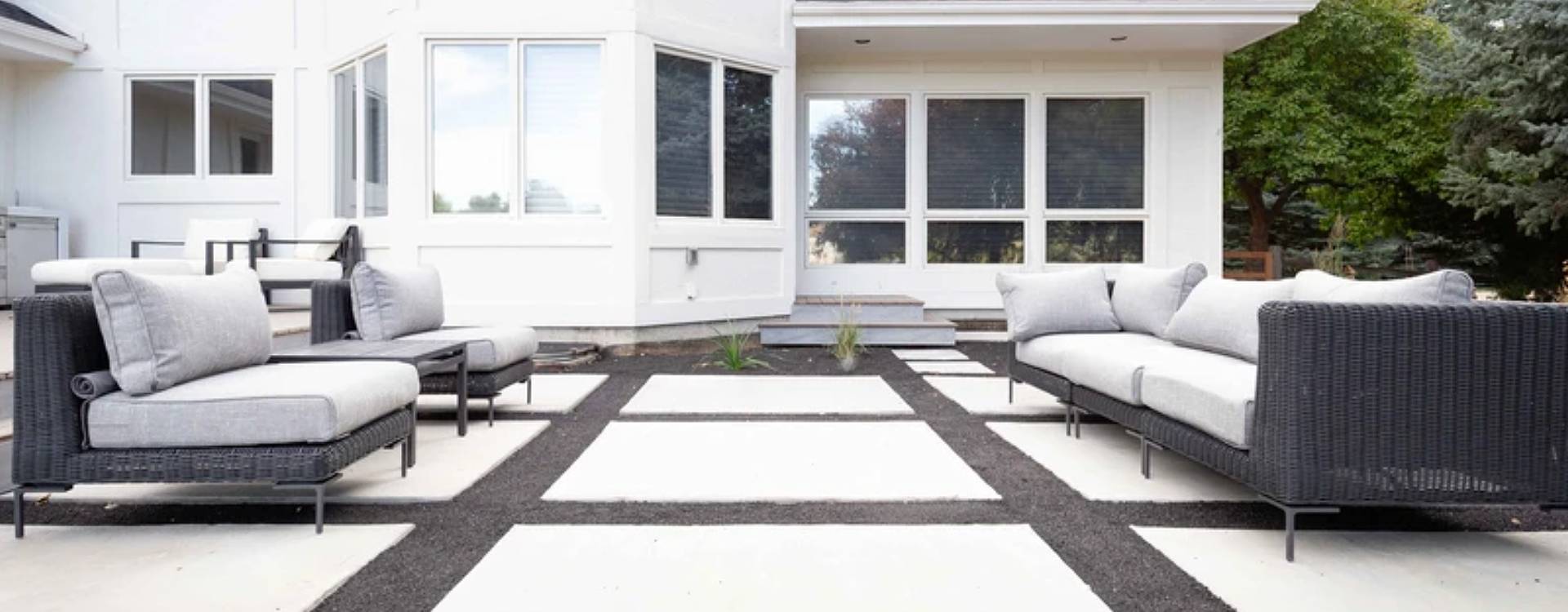
You don’t need a complete landscape overhaul to gain psychological benefits. Begin with one area that you use frequently. A well-designed front entry or back patio can provide immediate mood improvements.
Consider Your Lifestyle
Match your landscape design to how you actually live. If you love entertaining, create gathering spaces. If you prefer quiet solitude, focus on private retreat areas. Fighting against your natural preferences creates stress rather than reducing it.
Plan for Maintenance
High-maintenance landscapes become sources of stress rather than relaxation. Choose plants and materials that match your time and energy for upkeep. Native Colorado plants often provide the best balance of beauty and low maintenance.
Include Movement
Spaces that encourage gentle physical activity boost both physical and mental health. This might mean pathways for walking, open areas for activities, or comfortable seating that makes you want to spend time outdoors.
Think About Lighting
Outdoor lighting extends the psychological benefits of your landscape into evening hours. Soft, warm lighting creates relaxation, while harsh or bright lights increase stress. Solar pathway lights, string lights, and low-voltage landscape lighting all work well.
Add Personal Elements
Spaces that reflect your personality and interests create stronger emotional connections. This might include favorite plants, meaningful decorative elements, or areas designed around hobbies you enjoy.
Creating Your Personal Outdoor Sanctuary
The science is clear: thoughtfully designed landscapes improve mood, reduce stress, and support better mental health. Your outdoor space has the potential to become a powerful tool for well-being.
At Grey Rock Landscape and Construction, we specialize in creating outdoor spaces that look beautiful and feel amazing. Our team knows which plants thrive in Northern Colorado’s climate and which design strategies work best for our local conditions.
Whether you’re starting from scratch or improving an existing landscape, small changes can make a big difference in how your outdoor space makes you feel. Are you ready to transform your yard into a source of daily joy and relaxation?