If you see puddles that stay around for more than a day, mushy soil underfoot, yellowing grass or an increase in mosquitoes in your Fort Collins yard, you very likely have a drainage problem rather than just a watering issue. Taking steps now to diagnose and correct the issue will help you restore healthier turf, prevent root damage and avoid bigger structural or pest problems down the line.
Recognizing the Warning Signs
Let’s walk through the common signs of drainage issues so you can spot trouble early. When water does not drain properly, the consequences often show up visibly. Look for:
- Standing water: Puddles or pools that linger for 24 to 48 hours or more after rain.
- Soggy or spongy soil: If you step on your yard and it feels mushy, it is saturated.
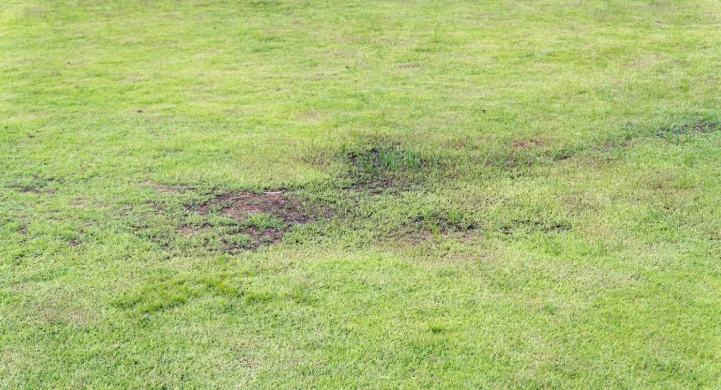
- Yellowing or dying grass: Grass roots need oxygen. Water-saturated soil suffocates the roots and leads to yellow patches.
- Erosion or soil wash-out: Rills, gullies or visible soil movement occur when water runs instead of soaking in.
- Fungal growth, moss or pests: Because the soil stays wet, you may see moss patches, fungal diseases or mosquitoes breeding in the standing water.
When you notice any of these patterns, you are on the right track to identifying a drainage issue.
Why Your Fort Collins Soil May Be at Fault
After you spot the signs, we move into causes. Here are the main ones in the Fort Collins region and how they affect drainage.
Clay-heavy or compacted soil
Many soils have high clay content or have been compacted from construction or traffic. Those fine particles reduce pore space and slow water movement. Compacted soil layers act almost like a barrier, so even if topsoil drains, deeper down the water cannot escape easily.
Improper grading or slope issues
If the ground slopes toward the home or toward low spots instead of away, you will see water accumulate rather than run off. Low spots or sunken areas collect water and hold it.
Gutter or downspout problems
Downspouts that dump water in one area without extension can saturate that zone repeatedly. When that water flows toward vulnerable areas like your foundation or lawn low spots, you’ll see persistent pooling.
How to Diagnose Your Yard Step by Step
Take your time to walk through these steps and you’ll get a clearer picture of what’s happening beneath the surface. Diagnosing the issue properly is the first step to finding a long-term solution that works for your specific yard.
- After a moderate rain, walk through and observe how long puddles remain. If they linger for more than 24–48 hours, you likely have poor drainage.
- Insert a screwdriver or rod into the soil in the damp area. If it’s easy to push in but the soil remains soggy a few inches down, you’re dealing with oversaturation.
- Look for uneven areas or sunken spots where water naturally collects. These can trap moisture and make things worse over time.
- Check the slope of your yard. Walk the perimeter and look at how the ground directs water — toward or away from the house?
- Inspect downspouts and gutters. Are they channeling water well away from your foundation, or dumping it too close?
- Finally, keep an eye on your lawn’s overall health. Persistent yellowing, patches of moss or a surge in mosquitoes often confirm there’s water that isn’t draining properly.
Real Solutions That Can Actually Work
Once you know what you’re dealing with, it’s time to put a plan in place. These fixes range from simple weekend projects to professional-level solutions.
- Core aeration: This is a great first step if you have compacted soil. Removing plugs lets air and water move more freely.
- Top-dressing with compost/sand: Follow aeration with a mix that improves soil structure and promotes better drainage.
- Regrading low spots and slopes: If the grade is off, correcting it ensures water flows away instead of pooling.
- Extend or redirect downspouts: Aim water discharge away from the home and soggy areas. Use splash blocks or extensions.
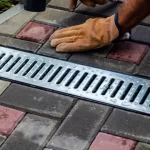
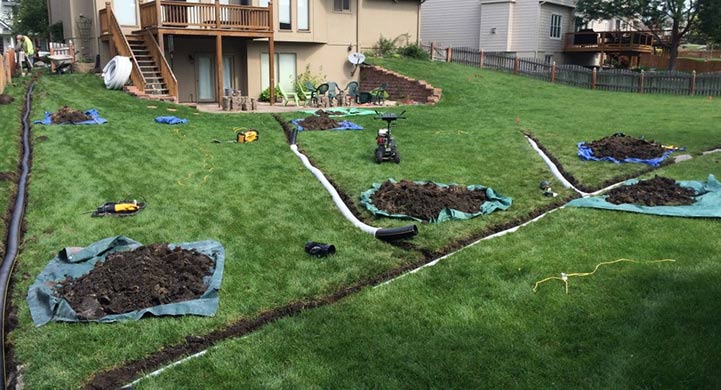
- French drains for persistent problems: These gravel-filled trenches with perforated pipes help carry water away efficiently and invisibly.
Helping Fort Collins Homeowners Get Their Yards Back
If you’ve noticed signs of water trouble in your lawn, you’re not alone. Many properties in Fort Collins deal with the challenges of clay soil and improper grading. That’s where local expertise makes a real difference.
Grey Rock Landscape and Construction specializes in diagnosing and solving drainage problems specific to this region. Our team evaluates your property’s unique layout and soil conditions before recommending the best approach.
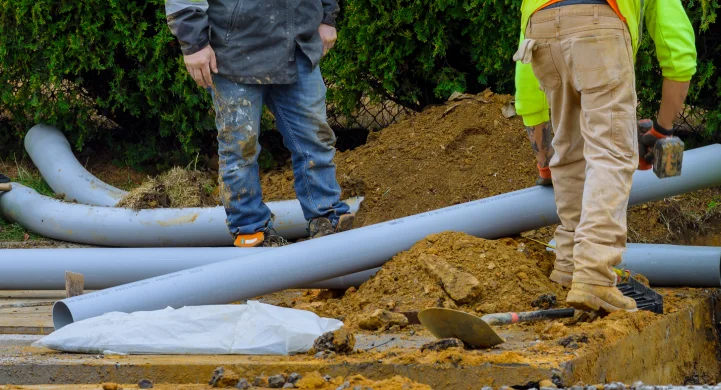
Whether it’s aerating compacted turf, regrading slopes or installing a long-lasting French drain, we’ll help you reclaim your yard. We work with both subtle and severe drainage issues to get your outdoor space dry, healthy and functional again.
Don’t Wait for Bigger Problems — Fix Your Drainage Now
A soggy yard isn’t just annoying. It can lead to root rot, structural damage and unwanted pests if left alone. If you’ve spotted persistent puddles, yellow patches or soft soil, now’s the time to act. Contact us to schedule a drainage assessment. We serve homeowners in Fort Collins and surrounding areas with tailored solutions that actually work. Let’s get your yard back on solid ground.